


-

Add: HeBei ShengShi HongBang Cellulose Technology CO.,LTD.
-

Email
13180486930@163.com -

CONTACT US
+86 13180486930


In the world of modern construction, synthetic fibers have revolutionized the way materials are used, enhancing the strength, flexibility, and durability of various building components. The different types of synthetic fibers available today are engineered for specific uses, making them indispensable in many construction projects. These fibers are often used to reinforce concrete, improve the resilience of building structures, and provide additional benefits like increased fire resistance and weather protection. From polypropylene fibers to long glass fibers , synthetic fibers offer a range of options tailored to different needs. Whether it’s increasing the strength of cement or providing insulation properties, the different types of synthetic fibers ensure that construction projects meet high standards of quality and longevity. In addition to their superior performance, synthetic fibers are often more cost-effective and readily available than traditional materials. This makes them a preferred choice for construction companies aiming to reduce costs while maintaining high-quality results. Furthermore, the environmental impact of synthetic fibers is increasingly being addressed with sustainable production methods, making them a more eco-friendly option for the construction industry. Long Glass Fiber Polypropylene: A Key Ingredient for Stronger Materials One of the standout synthetic fibers in the construction industry is long glass fiber polypropylene . This innovative fiber combines the strength of glass with the lightweight, corrosion-resistant properties of polypropylene. As a result, long glass fiber polypropylene is often used to reinforce concrete and other building materials, providing a significant boost in durability and performance. The inclusion of long glass fiber polypropylene in construction materials helps reduce cracking and improve the structural integrity of buildings and roads. The long fibers create a matrix that distributes stresses evenly across the material, preventing localized damage. This fiber is particularly useful in high-strength concrete applications where additional reinforcement is needed. Moreover, long glass fiber polypropylene is highly resistant to environmental factors like moisture, UV radiation, and temperature changes, making it ideal for both indoor and outdoor construction projects. It is commonly used in applications like paving, drainage systems, and even in the production of prefabricated building components. Its versatility and effectiveness in improving the lifespan and reliability of building materials make it a go-to solution for modern construction needs. Fibre Natural and Synthetic: A Comparison of Strength and Sustainability When choosing materials for construction, understanding the difference between fibre natural and synthetic options is crucial. While natural fibers such as jute, hemp, and cotton have been traditionally used in construction, synthetic fibers like polypropylene, polyester, and nylon have emerged as more durable and cost-effective alternatives. Fibre natural and synthetic materials each have their own advantages, making them suitable for different types of applications. Natural fibers are renewable, biodegradable, and often produced using more sustainable methods, making them a more eco-friendly option. However, they may not offer the same level of strength or resistance to environmental factors as synthetic fibers. On the other hand, synthetic fibers are engineered for durability, offering superior resistance to moisture, heat, and wear. They are often used to enhance the properties of natural materials, making them more suitable for demanding construction environments. For example, natural fibers like hemp may be used in insulation or as a reinforcement material in low-stress applications, while synthetic fibers like polypropylene or polyester are used for high-strength reinforcement in concrete, roofing, and other critical structures. By combining the best of both fibre natural and synthetic materials, construction companies can achieve optimal performance and sustainability. Non-Woven Polypropylene Fiber: A Revolutionary Material in Construction Non woven polypropylene fiber is another essential material that is increasingly being used in the construction industry. Unlike traditional woven fabrics, non woven polypropylene fiber is made from a process that bonds fibers together without weaving or knitting, resulting in a highly versatile material with excellent durability and moisture resistance. This fiber is widely used in applications like drainage systems, geotextiles, and road construction. Non woven polypropylene fiber provides a lightweight yet strong solution for reinforcing construction materials. It is often used in soil stabilization, as it helps prevent erosion and improves the strength of the ground underneath roads, bridges, and buildings. The material's ability to resist moisture also makes it ideal for protecting against corrosion and extending the lifespan of infrastructure. Additionally, non woven polypropylene fiber is environmentally friendly, as it is made from recyclable polypropylene, a material that can be repurposed for various other uses. Its cost-effectiveness, combined with its high-performance qualities, makes it a popular choice for contractors seeking durable and sustainable solutions for their construction projects. S ynthetic F ibers FAQs What are the different types of synthetic fibers used in construction? Synthetic fibers used in construction include polypropylene, polyester, nylon, and glass fibers. Each type is engineered for specific applications, such as reinforcing concrete, improving durability, and providing insulation. What is long glass fiber polypropylene, and why is it important in construction? Long glass fiber polypropylene is a fiber that combines the strength of glass with the lightweight, corrosion-resistant properties of polypropylene. It is essential in construction for reinforcing concrete, improving structural integrity, and preventing cracking. What are the benefits of using natural fibers in construction? Natural fibers , like hemp or jute, offer benefits such as renewability, biodegradability, and sustainability. They are commonly used for insulation and low-stress reinforcement, but may not be as durable or resistant to environmental factors as synthetic fibers. How does non-woven polypropylene fiber differ from woven fabrics? Unlike woven fabrics, non-woven polypropylene fiber is made through a bonding process that does not involve weaving or knitting. This results in a highly durable and moisture-resistant material, commonly used in geotextiles, drainage systems, and soil stabilization. Are synthetic fibers environmentally friendly? While synthetic fibers are often made from petroleum-based products, many are now produced using more sustainable methods. Additionally, materials like non woven polypropylene fiber are recyclable, making them a more environmentally friendly choice in construction. As construction needs evolve, synthetic fibers like long glass fiber polypropylene and non woven polypropylene fiber continue to play a crucial role in enhancing the strength, durability, and sustainability of building materials. If you're in the construction business, investing in these cutting-edge fibers will improve the performance of your projects and contribute to more eco-friendly practices. Visit our website today to explore our wide range of high-quality synthetic fibers and learn how they can transform your construction projects!
- 40000tons

Production
- 20+years

Experience
- 5000+㎡

Acreage

-
Гидроксипропилметилцеллюлоза (гипромеллоза) капсулы становятся все более популярными на мировом рынке благодаря своим многочисленным преимуществам в сравнении с традиционными капсулами, изготовленными из желатина. Гипромеллоза - это полимер природного происхождения, который делает эти капсулы более устойчивыми и экологически чистыми. Давайте более подробно рассмотрим преимущества и динамику рынка HPMC капсул, опираясь на реальный опыт, экспертное мнение и данные исследований. Рынок капсул из гипромеллозы значительно вырос в последние годы, и прогнозы указывают на дальнейший рост в связи с увеличением спроса на растительные альтернативы в фармацевтической и пищевой промышленности. Все большее количество потребителей переходит на веганский образ жизни, что способствует увеличению спроса на растительные продукты, в том числе и капсулы. В связи с этим, производители в сфере капсул переходят на использование гипромеллозы, которая удовлетворяет эти новые потребности. Экспертные исследования показывают , что капсулы из гипромеллозы обладают рядом преимуществ. Они характеризуются высокой стабильностью относительно различных условий окружающей среды, таких как температура и влажность. Это свойство делает их особенно подходящими для доставки активных веществ, которые могут быть нестабильны в капсулах из животного желатина. Помимо этого, капсулы HPMC являются безопасными для широкой целевой аудитории, включая людей с различными диетическими ограничениями, такими как веганы, вегетарианцы и те, кто страдает аллергией на определенные компоненты животного происхождения. Они также гипоаллергенные, что делает их более привлекательными на рынке с точки зрения безопасности и толерантности. Рыночная экспертиза показывает, что инновации в производственных процессах HPMC капсул ускоряют их адаптацию в фармакологии и в сфере спортивного питания. Процесс производства более экологичен, что привлекает внимание компаний, стремящихся к устойчивому развитию. Такие изменения, как снижение выбросов углерода и уменьшение зависимости от животных источников, добавляют HPMC капсулам репутацию экологически безопасного выбора. Рынок капсул HPMC Авторитетные агентства по контролю качества и безопасности продуктов одобряют гипромеллозные капсулы, подтверждая их неоспоримую пользу и безопасность. Все больше исследовательских учреждений подтверждают их эффективность в доставке лекарственных средств, что создает дополнительный доверие к этому продукту среди медицинских работников и конечных потребителей. На данный момент существует несколько ключевых игроков на рынке, активно продвигающих и внедряющих продукты на основе гипромеллозы. Эти компании делают акцент на инновационные методологии производства, обеспечивая тем самым высокое качество и соответствие международным стандартам. Потребительское доверие к HPMC капсулам постоянно растет, благодаря чему они становятся не только популярным выбором среди пользователей, но и надежным партнером для врачей и фармакологов. Фактические данные потребительских опросов говорят о положительном восприятии и большей удовлетворенности данным продуктом. Таким образом, рынок капсул из гипромеллозы продолжает активно развиваться, предъявляя высокие стандарты качества и безопасности. Основанный на экспертных знаниях, доверии и длительном опыте пользователей и производителей, он обещает оставаться устойчивым трендом в мире капсул.
-
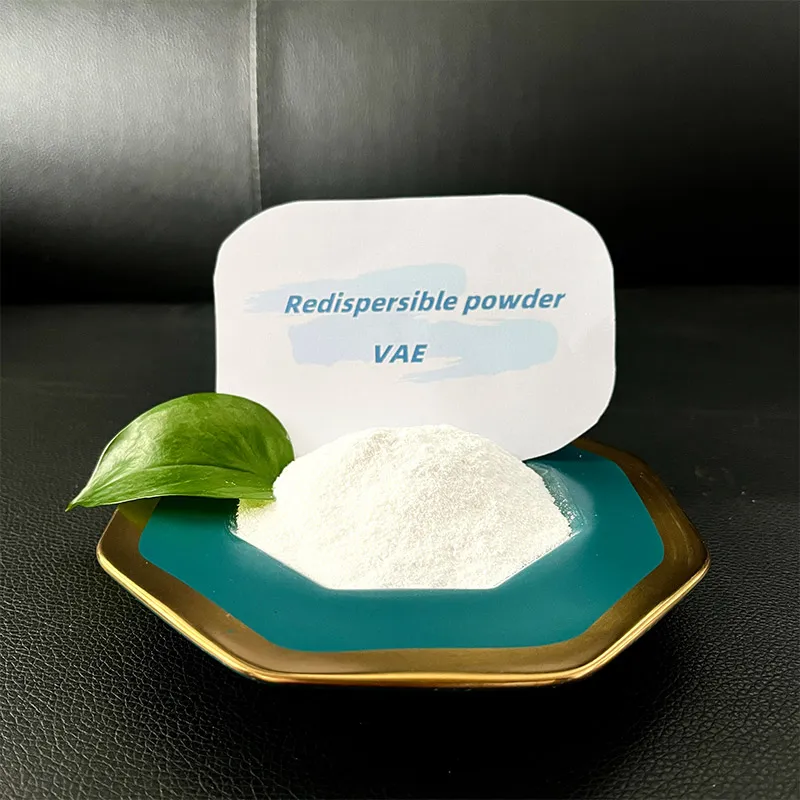
Hydroxypropyl methylcellulose (HPMC) has become a critical component in a range of construction materials due to its unique properties, such as water retention, improved adhesion, and enhanced workability. This versatile polymer is widely used in the manufacturing of tile adhesives, mortars, and plasters. As a hydroxypropylmethylcellulose supplier , it is crucial to provide high-quality products that meet the specific demands of modern building projects. In this article, we will explore the importance of hydroxypropyl methyl cellulose in building materials, especially in HPMC tile adhesive applications. Why Hydroxypropyl Methyl Cellulose is Essential in Construction Materials The role of hydroxypropyl methyl cellulose in construction cannot be overstated. As a water-soluble polymer, HPMC functions as an excellent binder in various construction mixtures. It improves the consistency and workability of materials, making them easier to apply. When mixed with water, hydroxypropyl methyl cellulose forms a gel-like consistency, which helps retain moisture for a longer period during the curing process. This is crucial for preventing premature drying and ensuring optimal bond strength in tile adhesives, plasters, and cement-based products. In addition, HPMC enhances the adhesion properties of HPMC tile adhesive , ensuring that tiles stick securely to surfaces and withstand environmental stresses such as temperature changes and humidity. The water retention capacity of hydroxypropyl methyl cellulose also ensures that the adhesive remains workable for a longer period, giving contractors enough time to position tiles accurately. The Key Benefits of Using Hydroxypropyl Methyl Cellulose in Tile Adhesives When it comes to HPMC tile adhesive , the benefits are numerous. First and foremost, hydroxypropyl methyl cellulose acts as a superior thickening agent. This property not only improves the application characteristics of tile adhesives but also prevents sagging when applied to vertical surfaces. The controlled viscosity of the product makes it easier to spread evenly and ensures better adhesion, which is essential for achieving a long-lasting bond. The improved open time is another critical advantage of hydroxypropyl methyl cellulose in tile adhesives. Open time refers to the time span during which the adhesive remains workable after being applied to a surface. By increasing the open time, HPMC allows for more flexibility in tile placement, reducing the chances of errors during installation. Additionally, hydroxypropyl methyl cellulose contributes to the flexibility and durability of tile adhesives. In areas with high foot traffic or fluctuating temperatures, tile adhesives need to be able to flex slightly to accommodate any movements in the underlying substrate. HPMC tile adhesive formulations with the right amount of hydroxypropyl methyl cellulose can resist cracking and maintain a strong bond, even under demanding conditions. How Hydroxypropylmethylcellulose Suppliers Ensure Quality and Consistency A reliable hydroxypropylmethylcellulose supplier plays a vital role in ensuring that building materials are of the highest quality and consistency. Manufacturers rely on suppliers to deliver products that meet industry standards and specific performance requirements. The quality of hydroxypropyl methyl cellulose can vary depending on the raw materials used, the manufacturing process, and the supplier's expertise. Top-tier hydroxypropylmethylcellulose suppliers ensure the consistency of their products through rigorous quality control measures, which include tests for particle size distribution, viscosity, and water retention properties. By maintaining strict control over production, these suppliers can provide construction companies with reliable and uniform materials that perform consistently across various projects. Working closely with trusted hydroxypropylmethylcellulose suppliers also means access to customized solutions. Different types of hydroxypropyl methyl cellulose are used in different applications, and some may be more suited to specific climate conditions or surface types. A supplier who understands the diverse needs of their clients can recommend the right grade of HPMC for each unique application, ensuring the best possible results for tile adhesives and other building materials. The Future of Hydroxypropyl Methyl Cellulose in Building Materials As the construction industry evolves, the demand for high-performance, sustainable building materials continues to rise. The use of hydroxypropyl methyl cellulose in tile adhesives and other construction products is expected to grow, driven by the need for more efficient, durable, and eco-friendly solutions. Manufacturers and hydroxypropylmethylcellulose suppliers are continuously working on enhancing the properties of HPMC to meet these demands. Research into the sustainable production of hydroxypropyl methyl cellulose is also gaining traction. By reducing the environmental impact of its production and sourcing raw materials responsibly, HPMC producers are helping to promote more sustainable construction practices. Additionally, innovations in HPMC tile adhesive formulations are likely to lead to even better performance, such as adhesives with superior flexibility, faster curing times, and enhanced resistance to environmental stressors. As the construction industry looks to the future, hydroxypropyl methyl cellulose will continue to be a key ingredient in the development of high-quality building materials, with an emphasis on performance, sustainability, and cost-effectiveness. H ydroxypropyl methyl cellulose is an indispensable component in modern construction materials, particularly in HPMC tile adhesive applications. Its ability to improve workability, enhance adhesion, and retain moisture makes it a key ingredient for achieving durable, high-performance building materials. Working with a trusted hydroxypropylmethylcellulose supplier ensures that construction companies have access to consistent, high-quality materials that meet the demands of both current and future projects. As the construction industry continues to innovate, the role of hydroxypropyl methyl cellulose in building materials will undoubtedly remain central to the development of advanced and sustainable construction solutions.
advantages
-

200000 Viscosities
Excellent product
We can produce pure products up to 200,000 viscosities
-

40000 tons
High yield
We don’t stop production all year round, and the annual output can reach 40,000 tons
-

24 hours
Quality service
We provide 24-hours online reception service, welcome to consult at any time
———— Inquiry Form
Schedule A services
-
 quimica_de_la_madera_y_la_celulosa
Oct . 25, 2025
Monofilament polypropylene fiber, a remarkable advancement in the field of construction materials, s -
 pp_fiber_manufacturers
Oct . 25, 2025
Navigating the ever-evolving landscape of recycled rubber powder pricing demands a nuanced understan -
 hydroxypropyl_distarch_phosphate_e1442
Oct . 25, 2025
HPMC K 100 M, short for Hydroxypropyl Methylcellulose, is a versatile polymer widely used across ind


